
by Sandra Huffman ’86
With a new campus and expanded healthcare programs, the college launches its first step into advanced, patient-centered care through occupational therapy.
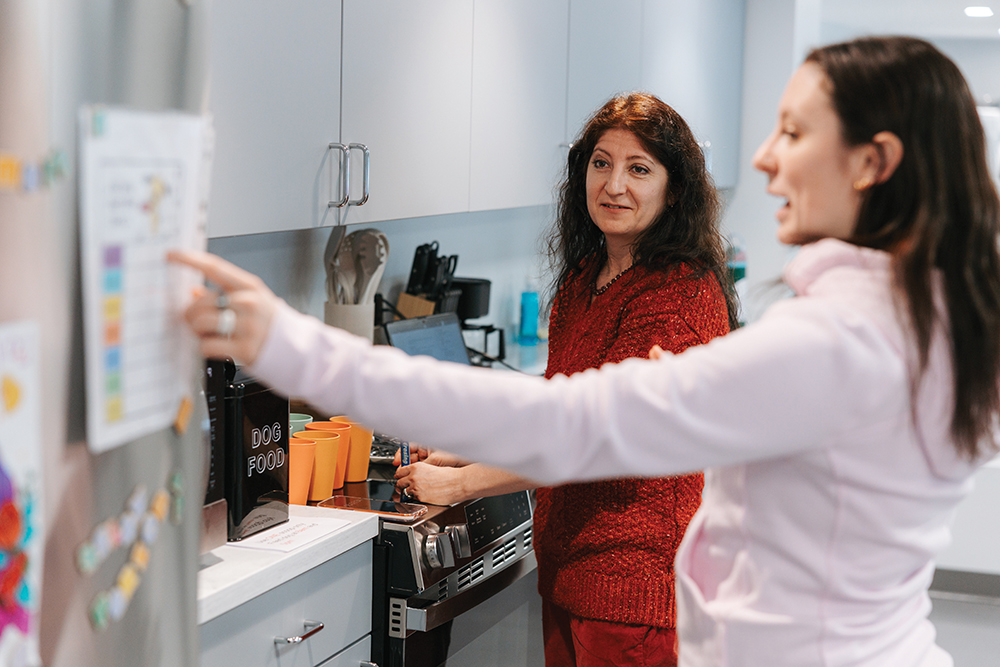
At first glance, the term “occupational therapy” can be misleading. For many, it conjures ideas of job placement or vocational training. But as Michael Gerg, DOT, MS, OTR/L, CHT, FAOTA, associate professor and program director of Wilson College’s Doctor of Occupational Therapy program, explains, the field is far broader and much more personal.
“The purpose of occupational therapy is to help people lead as fulfilling a life as possible,” Gerg says. “We work with individuals of all ages, from newborns to those who are terminally ill, to help them regain or develop function after illness or injury, or when they are born with a physical condition. We also work with cognitive and psychosocial conditions.”
This philosophy sits at the core of Wilson College’s new hybrid, accelerated Doctor of Occupational Therapy (OTD) program. Designed to be completed in just two years, the program combines online coursework, interactive faculty instruction, and in-person lab immersion experiences in the Philadelphia metropolitan area. Its aim: to prepare students not just as clinicians, but as leaders shaping the future of patient-centered care. Evidence In Motion (EIM), a leading provider of online and hybrid healthcare education, provides the unique hybrid program structure, along with marketing, admissions, and accreditation support. Wilson’s new OTD faculty designed the program’s innovative curriculum.
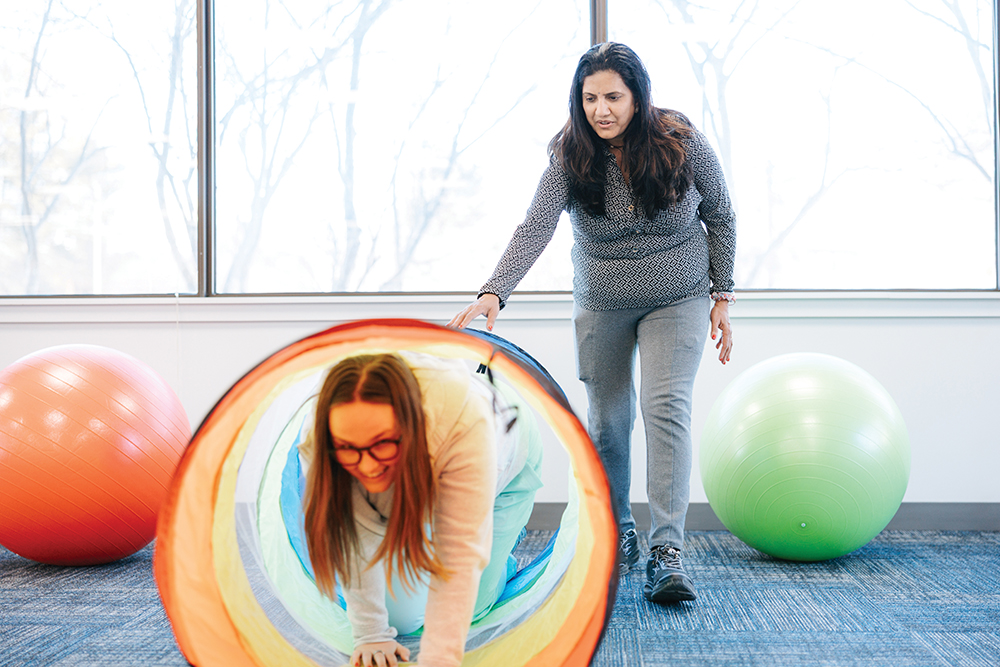
A key challenge for the program is simple awareness. “We’re still probably one of the least known medical professions. People don’t really know what we do,” Gerg explains.
Part of that confusion comes from the word “occupation.” “The way that occupational therapists use the term occupation is whatever you do that occupies your time,” he says. “There are several things that you do in
the course of a day. You probably have a routine. You get up. You get dressed. You might take a shower or a bath. Make a meal. Clean your house. Pay your bills. Go to a job. Drive.”
Occupational therapists help patients regain or adapt to these everyday functions, which makes the profession uniquely positioned across a wide range of settings, from hospitals and schools to rehabilitation centers, mental health facilities, and home health care. Professionals in the field may specialize in pediatrics, gerontology, neurology, mental health, or hand therapy, among many others.
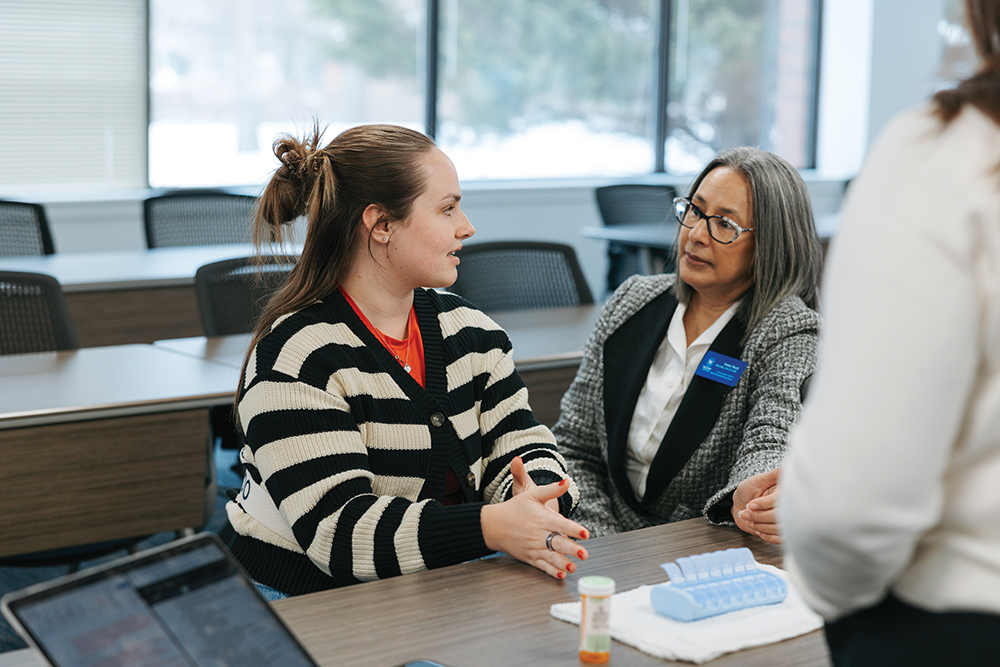
At its heart, occupational therapy is about helping individuals reclaim independence and purpose.
“The ultimate goal in all of it is that you’re able to do the things that you want to do and be able to lead a satisfactory life, being able to be as independent as possible,” Gerg says.
This work can involve adapting environments, modifying daily tasks, or using assistive tools. Gerg points to examples ranging from home modifications to driver safety initiatives like those provided by CARFIT, a program developed by AAA and the American Occupational Therapy Association.
“A program like CARFIT is designed to help older drivers stay safe in their vehicles. It’s not to teach them driver safety. It’s fitting them to their vehicle,” said Gerg. “Adaptation is a big thing, a big part of what we do. We do home, school, and work modifications. We also work in outpatient settings or even inpatient, like in children’s hospitals.”
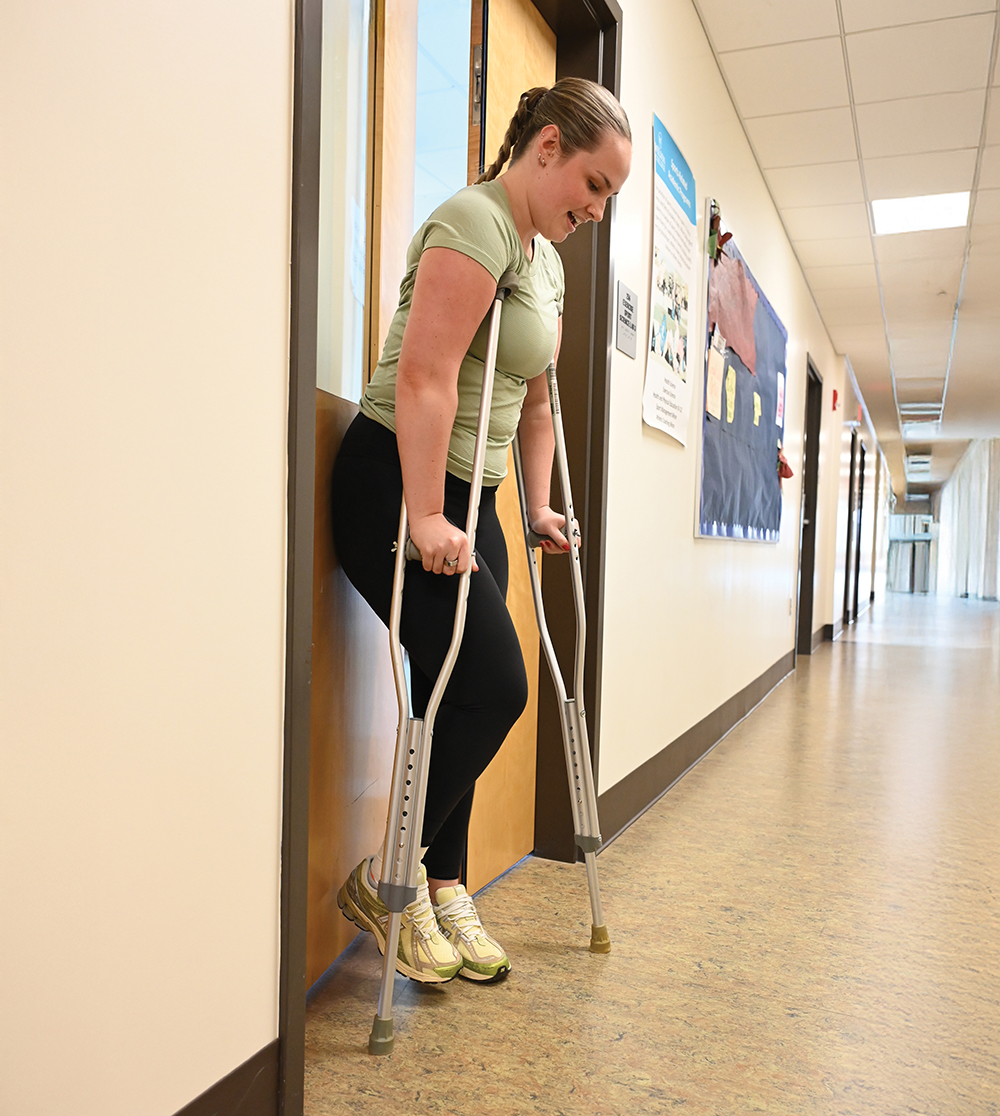
Wilson College’s OTD program reflects that same adaptability with a hybrid format that allows students to live and work in their home communities while completing coursework and attending periodic in-person lab sessions.
“You can live and work and maintain all of your social contacts in your life where you live now,” Gerg explains. “And you just have to spend 14 weeks or so with us over the course of two years.”
The curriculum blends synchronous and asynchronous coursework, fieldwork experiences, and a culminating doctoral capstone project. Students also gain access to specialized facilities, including the Penn Hall Equestrian Center, where unique therapeutic approaches can be explored.
While much of the program takes place online and in Philadelphia-area labs, Gerg emphasizes that the connection to Wilson’s campus remains central to the experience. “You’re welcomed with open arms,” he says. “I would like to take that Wilson flair and infuse it into this program.”
For Gerg, joining Wilson College represents more than a professional opportunity. It is also a chance to leave a legacy, the culmination of decades of experience. “I really want to build a strong, sustainable program, and I’m deeply invested in its future,” he said, adding that he would like to see it become a well-known and well-respected program in the field. “I want Wilson’s OTD program to be respected in the world of OT education.”
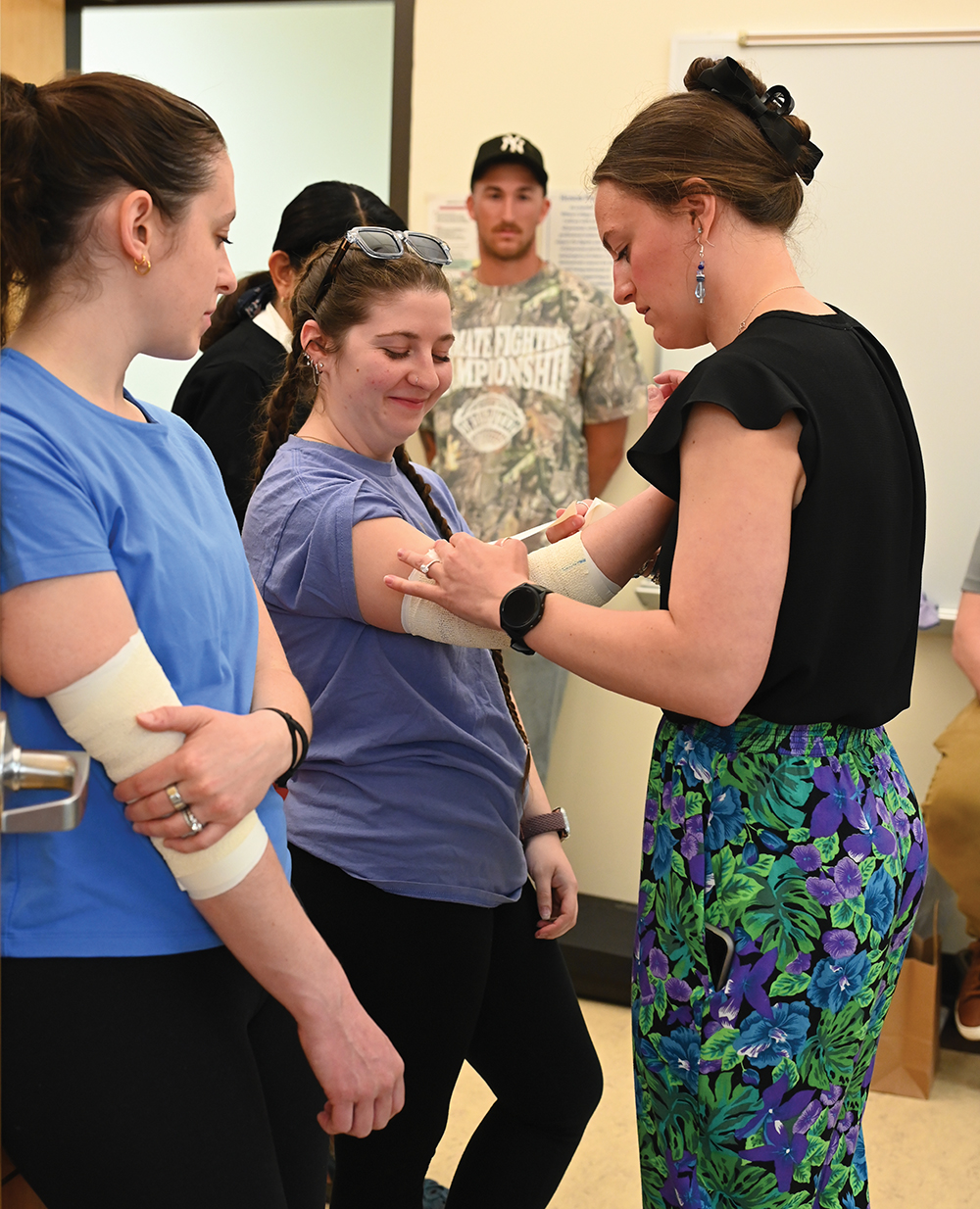
His vision is ambitious but grounded: a program known for quality, collaboration, and impact. One of the most compelling aspects of occupational therapy, Gerg says, is its accessibility to people from all backgrounds. That vision is supported by a strong faculty with diverse specialties.
“Everyone, regardless of background, can pretty much find their home within the occupational therapy field,” he says. “And the reason being is because you bring with you into the field all of your life experience.”
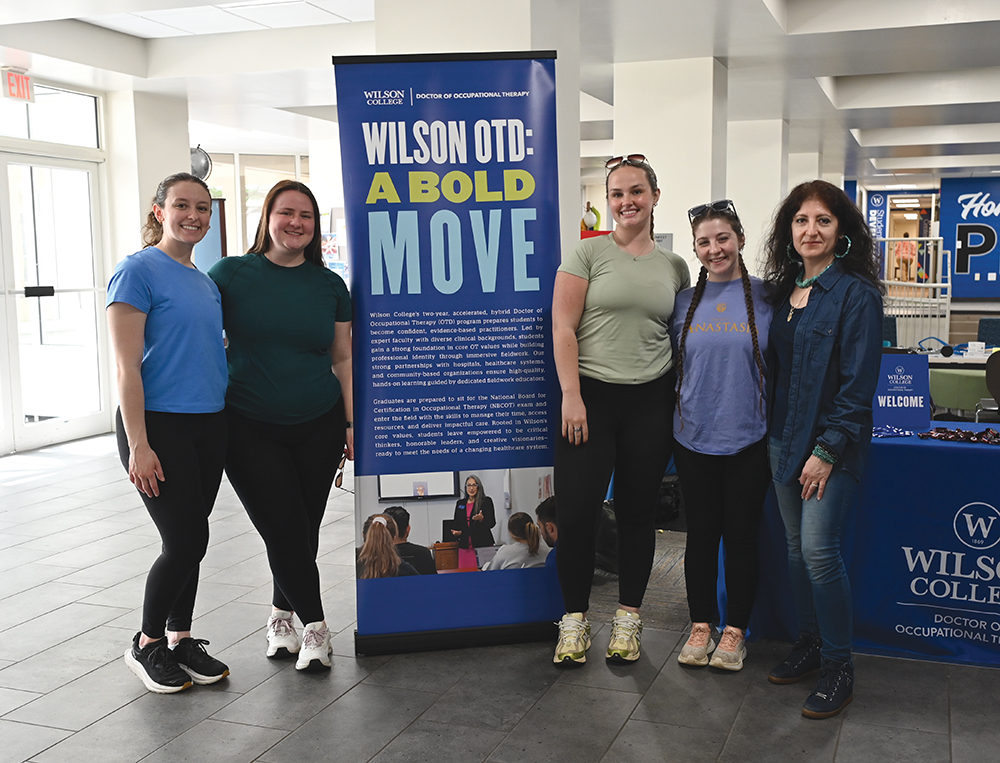
Gerg himself came from a background in industrial organizational psychology and transitioned into both hand therapy and working-age adult orthopedic therapy. Other Wilson OTD faculty have transitioned from information technology, communications, and education. For example, Sam Ganesh originally worked in information technology and is now a pediatric therapist, while Melissa Green is a dementia expert with a communications background. “That’s one of the reasons that we have to have such a large faculty is that it covers a lot of territory,” said Gerg. But the OTD students train to be generalists. They have to know a little bit about everything. Then, when a student has an idea of what they want to specialize in, that is the focus of their doctoral capstone project.
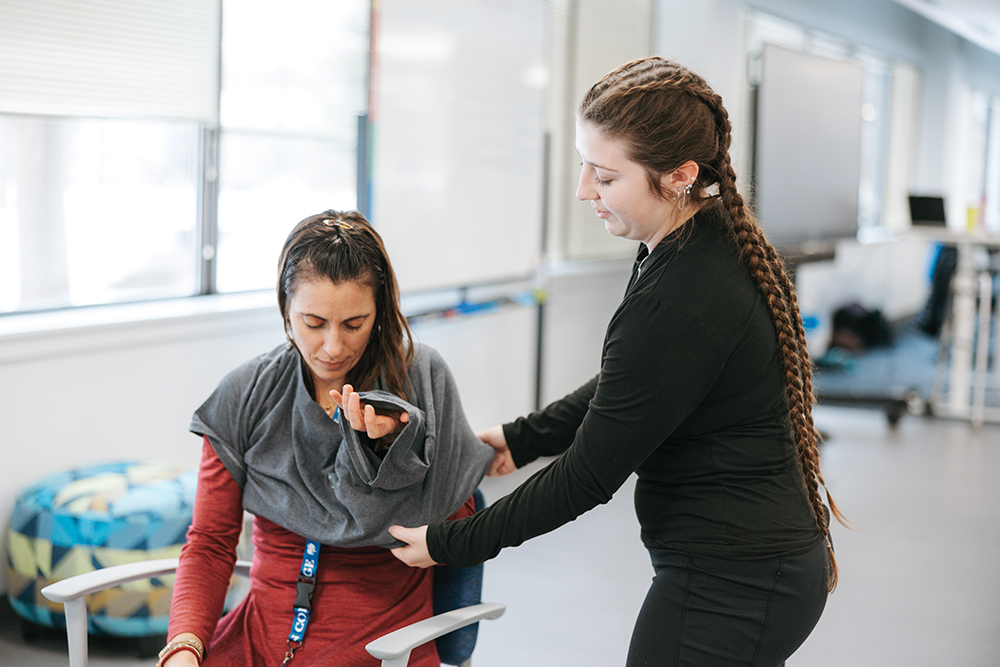
“And I find that every student that comes through an occupational therapy program has some aptitudes towards something that they use to inform their practice,” he says. “And that’s the really wonderful thing.”
For those considering a career shift or searching for a path that blends science, empathy, and creativity, Gerg offers simple advice: “If you’re looking to try something new… I would encourage people to investigate the occupational therapy profession… because it has a lot to offer. And really you can create the experience that you want within that field.”
OTD Program Mission:
The Wilson College Doctor of Occupational Therapy Program is dedicated to empowering students to become ethical, culturally responsive leaders and advocates of occupational therapy.
OTD Program Vision:
Lead the field of occupational therapy with exceptional clinical expertise, empathy, and a passion for creating meaningful change. By fostering a culture of lifelong learning, innovation, and service, we shape healthcare leaders who not only improve individual lives but also contribute to transforming systems of care, advancing inclusion, and creating possibilities for all.
Coming Next in Wilson’s Healthcare Education:
The new occupational therapy program marks the first step in a larger plan to grow the College’s healthcare education. A Doctor of Physical Therapy (DPT) and a Master of Science in Speech-Language Pathology (MS-SLP) were announced earlier this year. These programs will also feature in-person classes at the new King of Prussia campus. Applications for the inaugural cohorts will open in July 2026 and classes for both programs are expected to begin in August 2027.
For more information, visit the Master of Science in Speech-Language Pathology and the Doctor of Physical Therapy on the Wilson College website.
